
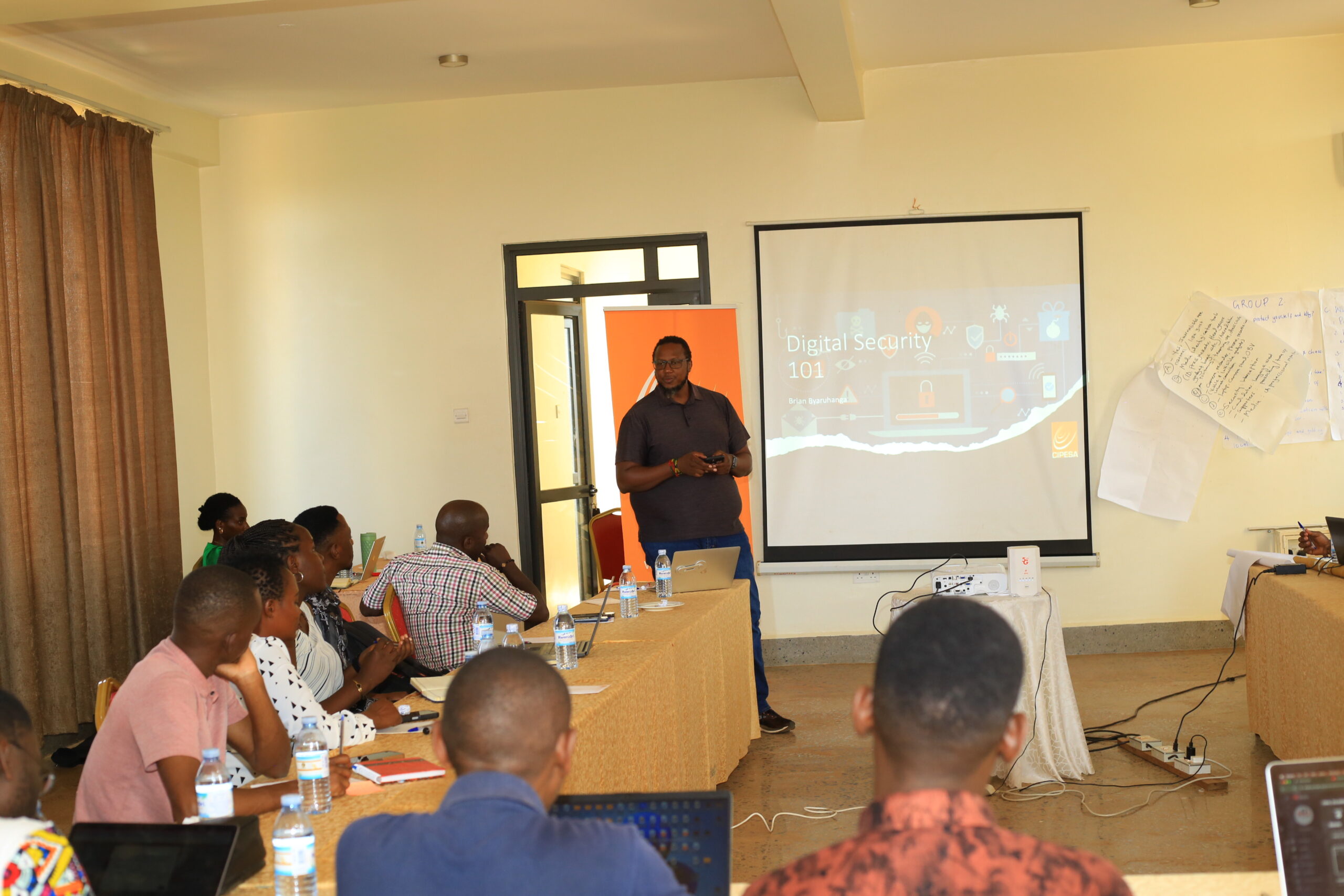
Kampala – Uganda, Alternative Digitalk TV – November 26, 2025
Early this year the African Internet Rights Alliance (AIRA) submitted a report to the UN Special Rapporteur, highlighting digital rights violations during Africa’s Super Election Year (2023–2025).
The submission examines internet shutdown, disinformation, political micro-targeting, and government surveillance, which have undermined electoral transparency in countries like Mozambique, Senegal, and Zimbabwe.
Early this year, the African Internet Rights Alliance (AIRA) submitted a report to the United Nations (UN) desk on the Rights to Freedom of Peaceful Assembly and Association, where a number of shocking digital right violations were critical digital rights challenges emerged during Africa’s Super Election Year 2023–2025.
The report highlights how the internet has been used to both empower and suppressing civic participation, through internet shutdowns, disinformation, political microtargeting, content moderation, and digital surveillance.
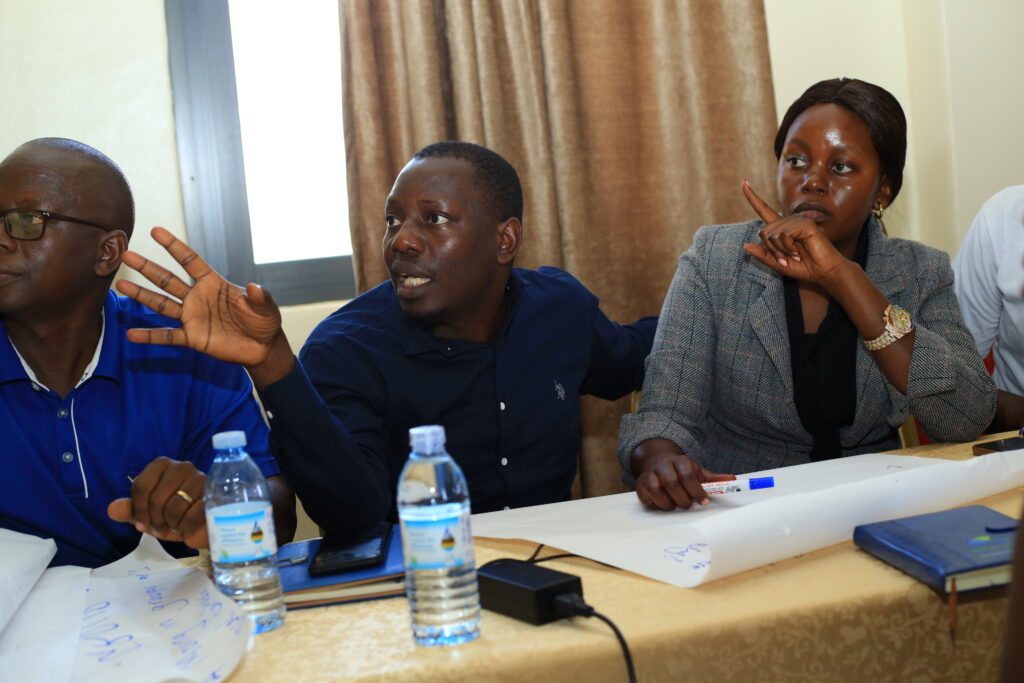
A section of journalists participating and contributing in one of the training sessions. CIPESA Courtesy Photo.
In countries like Mozambique, Senegal and Zimbawe, authorities shutdown the internet restricting opposition voices while allowing state-run media to continue operating. Their governments blocked mobile internet access, citing “security concerns,” significantly affecting opposition mobilization on addition to throttling internet speed and blocked social media platforms on election day, making it difficult for independent observers to report irregularities.
In other African countries like Kenya, Ghana, South Africa, and Nigeria the internet speed was slowed making it hard for the internet users to navigate and browse as desired.
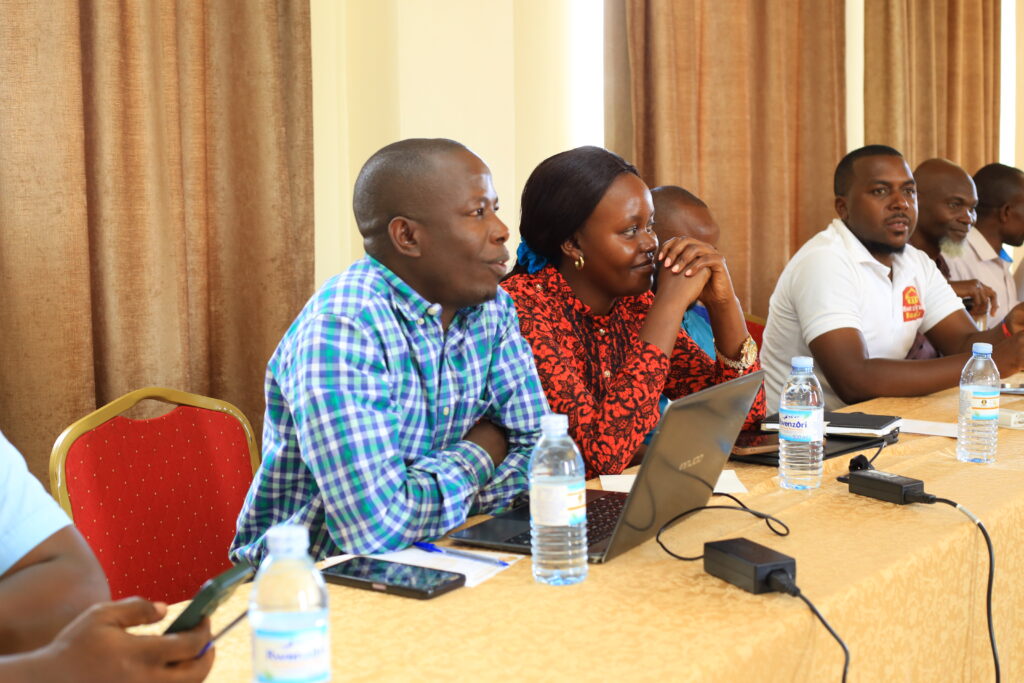
Digitalk TV journalists alongside other scribes in the training. CIPESA Courtesy Photo.
These state orchestrated challenges have prompted the International ICT Policy for East and Southern Africa (CIPESA) in partnership with BBC Media Action, through the “Strengthening the Media Sector and Building resilience to Election-Related Mis/Disinformation in Uganda, to train a section of Ugandan journalists on practical cybersecurity and physical skills.
Through “Beera sharp” (Be sharp) CIPESA, have also trained these selected scribes on how to navigate the threat of information disorder and digital security assessment and audits.
Ms. Doreen Elizabeth Namuyanja, MEL officer at CIPESA revealed, that as the country gears up for the 2026 general elections, there is need for access to rapid response support via digital security help desks and hence the need to equip journalists who stand high chances of security threats due to their nature of work.
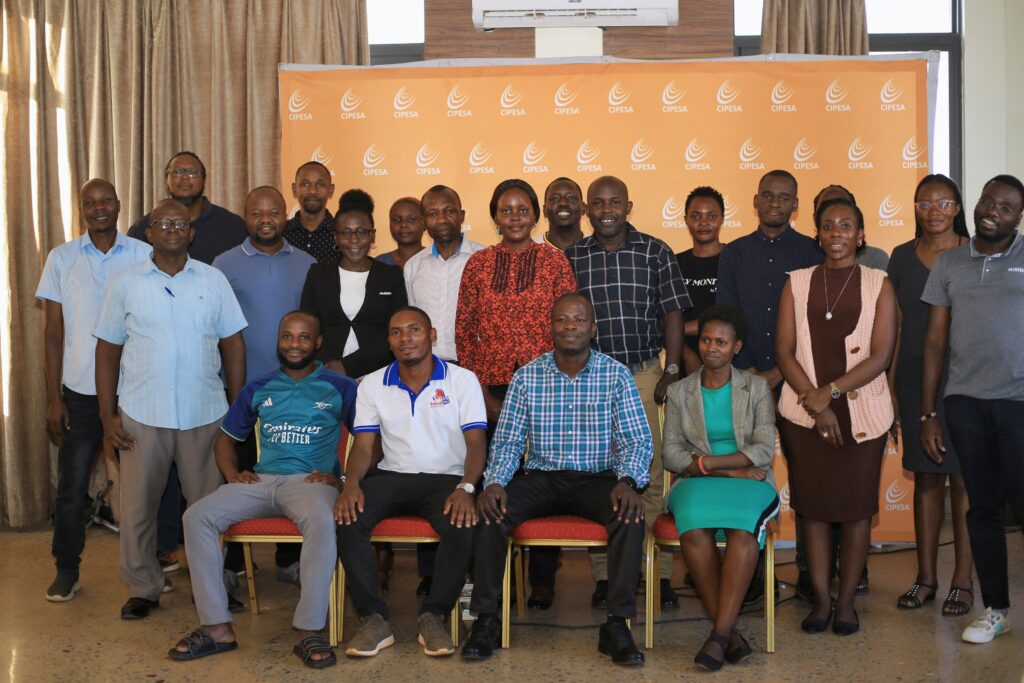
A group photo of some of the participants (journalists) who attended the training. CIPESA Courtesy Photo.
“In our findings, journalists are too vulnerable in election periods because they are always on the frontline and this compelled to us to have them trained on how they can stay safe both digitally and physically, not forgetting their gadgets” Ms. Namuyanja said.
“At most times, media managers and supervisors always mind most about the gadget equipment and human safety and in this training, we are emphasizing vigilance in movements, workplaces and the daily routines of these journalists” Namuyanja added.
Namuyanja further urged media owners to provide field reporters with protective gears and appropriate tools and always move in groups while on duty.
She further emphasizes that in all what journalist do, life should always be the priority, and be each one’s keeper while on duty.
Some of the journalists attending the two days training taking place at Esella Country Hotel, in Wakiso have express gratitude over the relevance of the timely skills gained out of all the sessions held.
By; Mukose Arnold Anthony and Luwedde Lilian (Princess)
Digitalk TV – Programmes Director and Political Talkshow Host respectively.